


Chorros de Epina - Arure

La Gomera

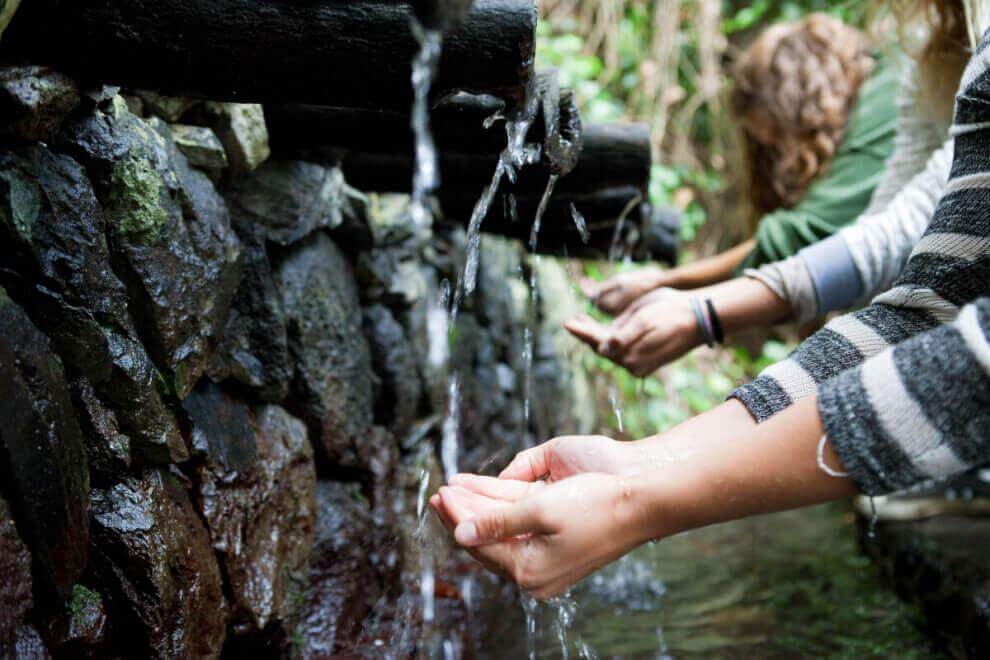
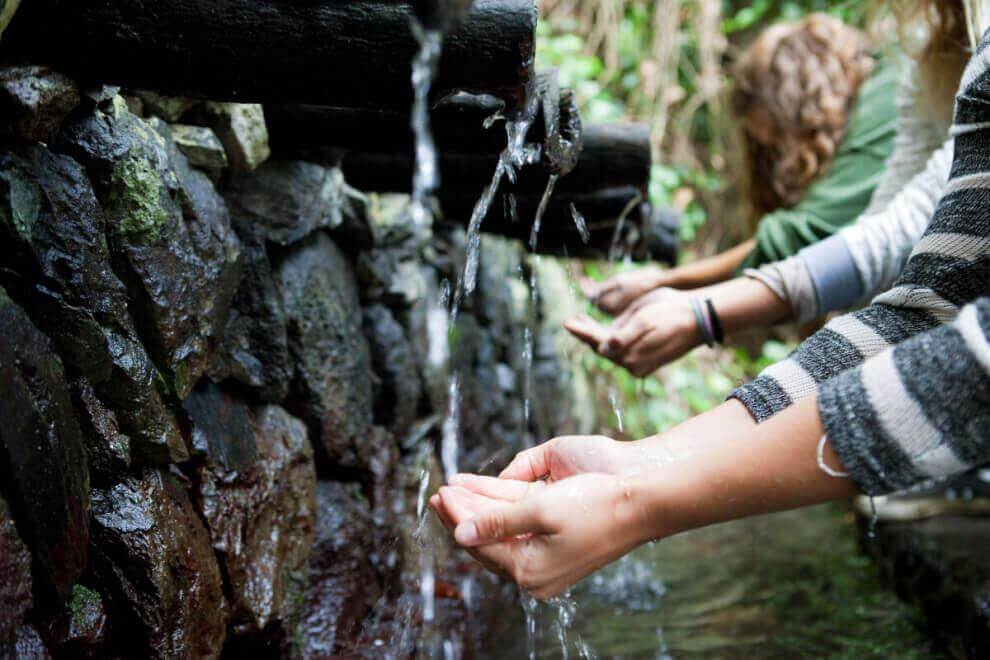
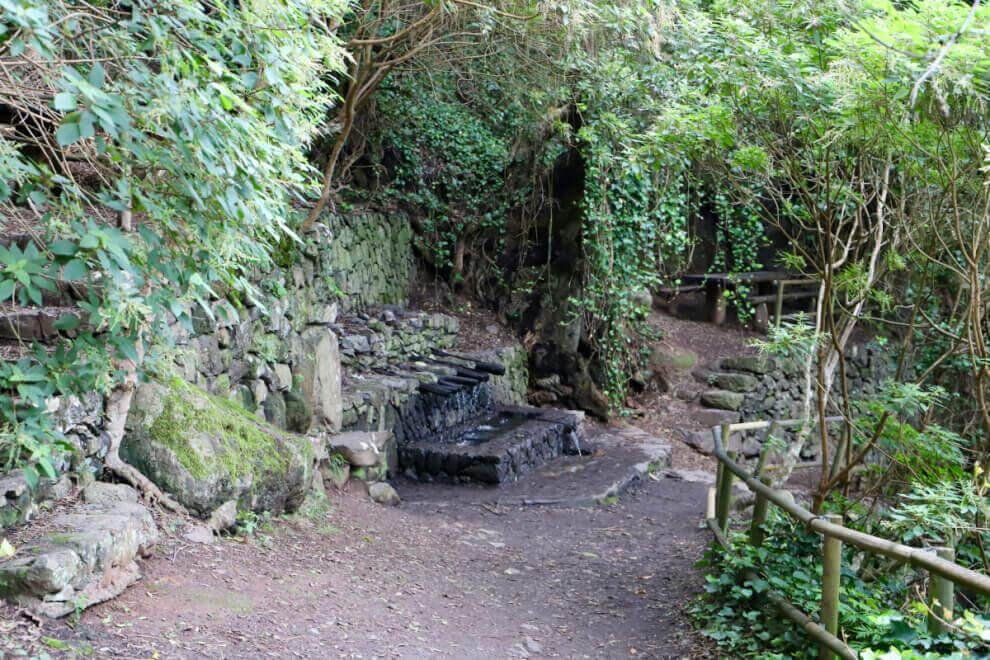
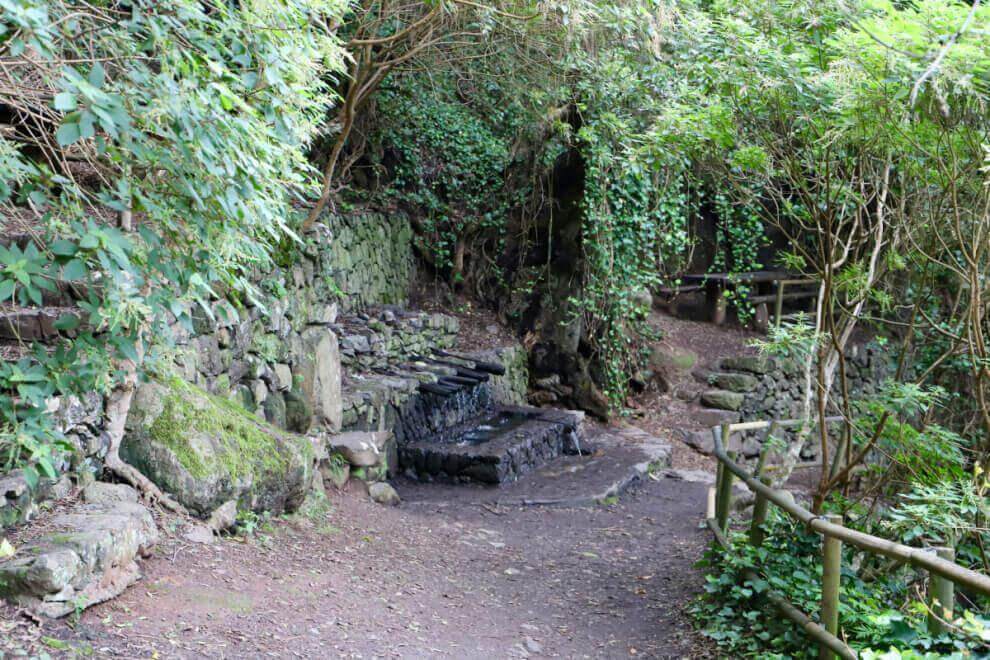
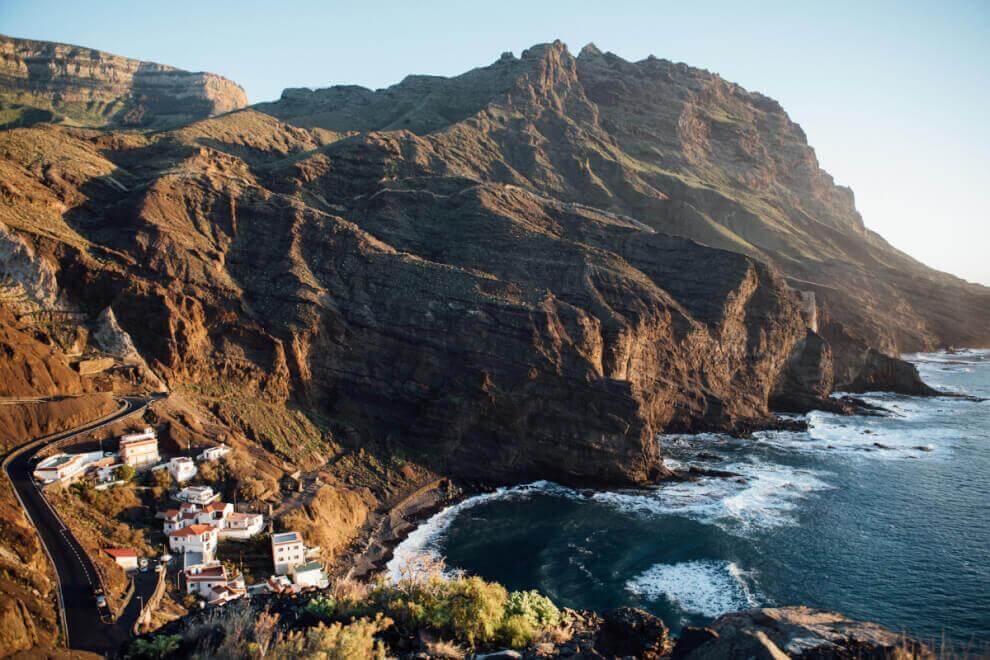
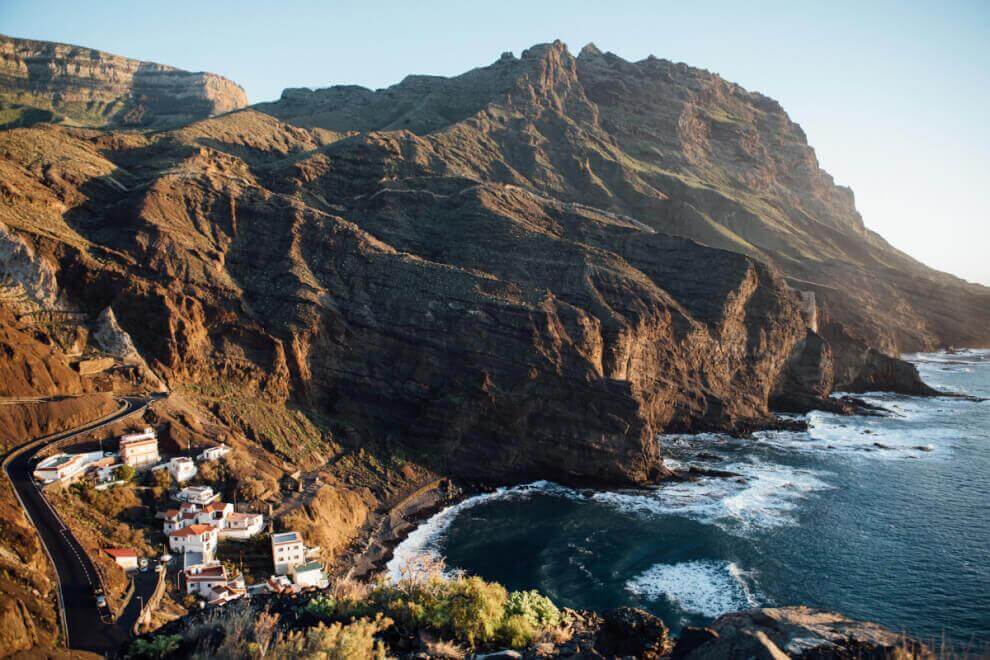
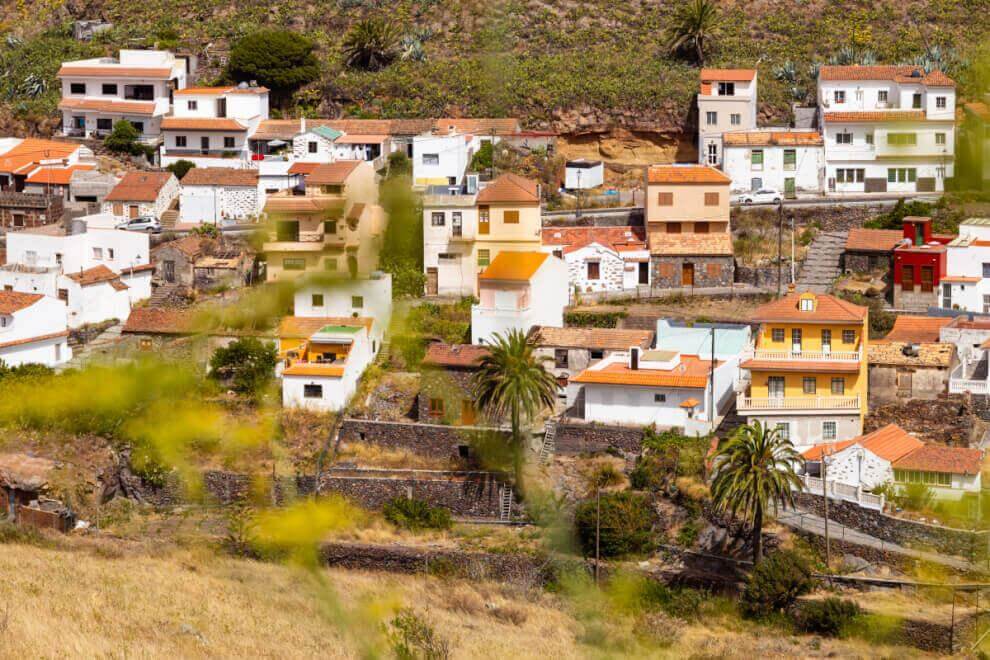
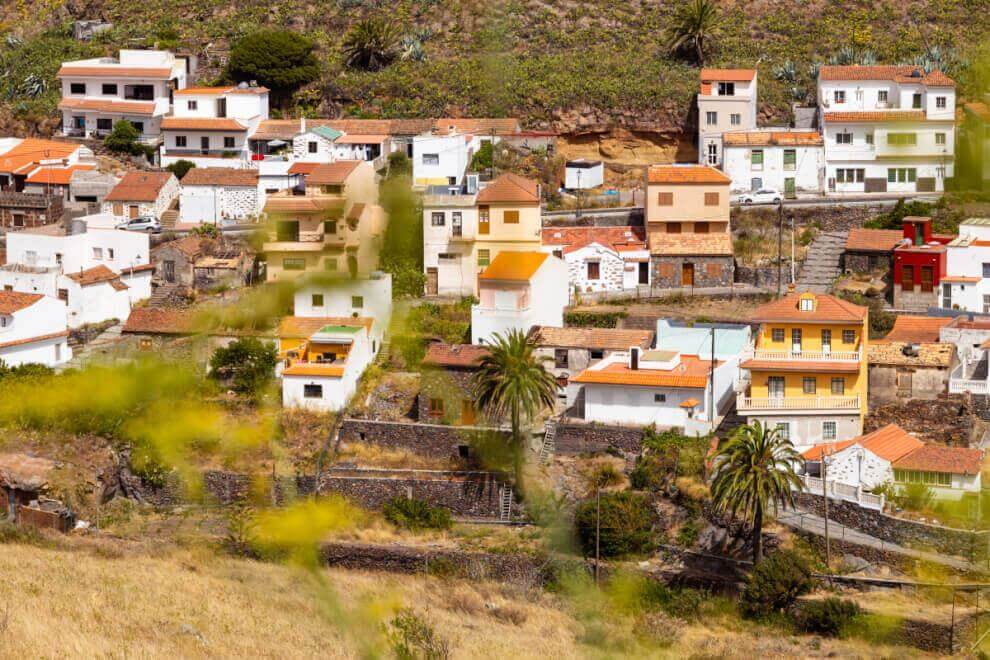
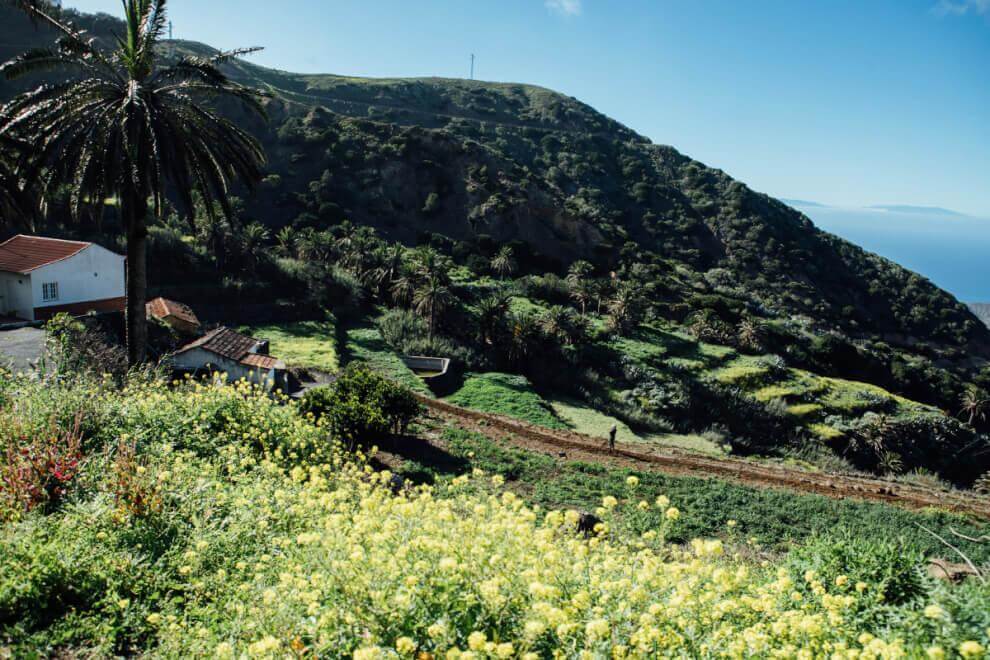
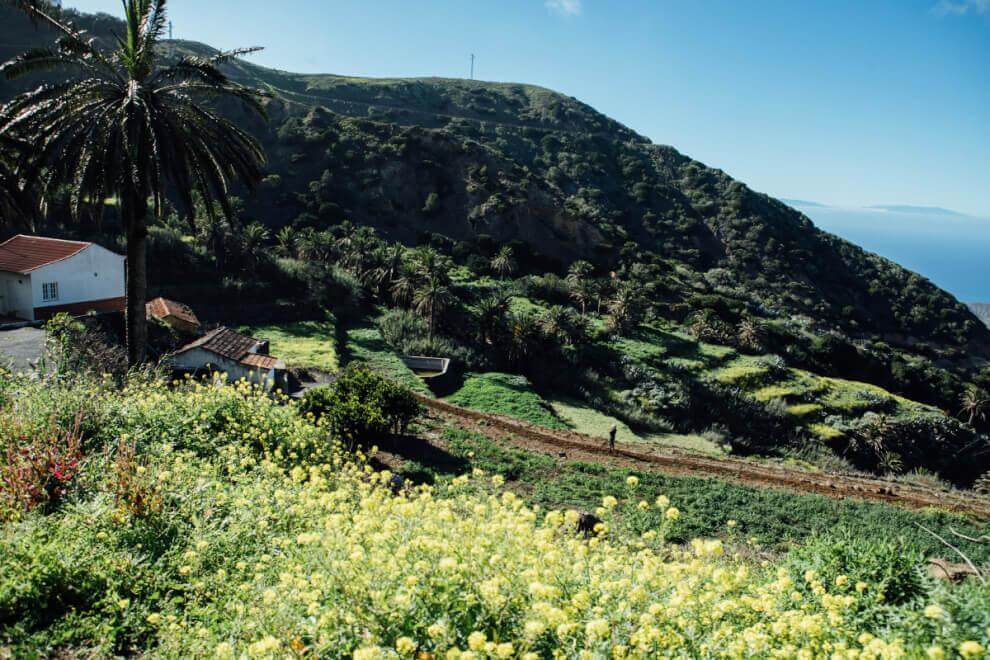
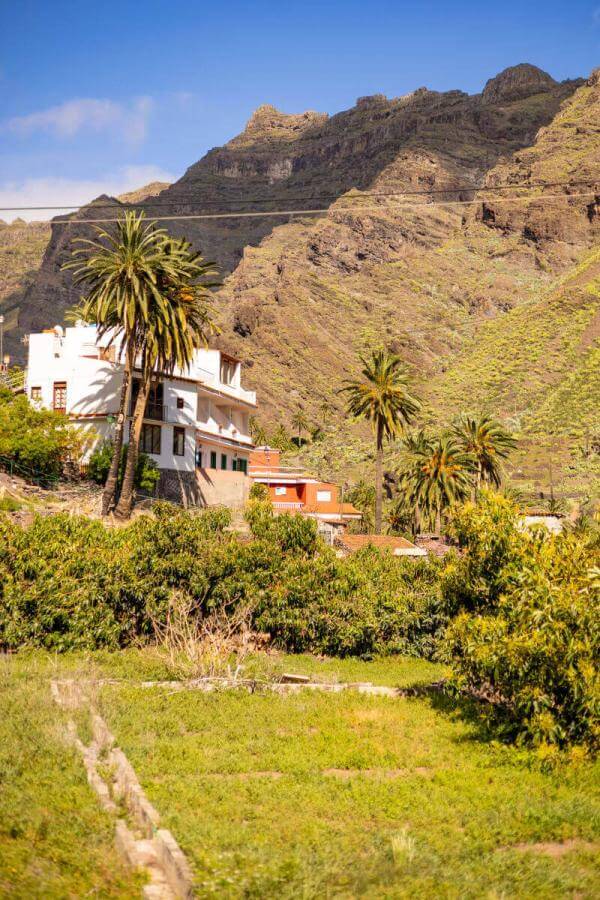
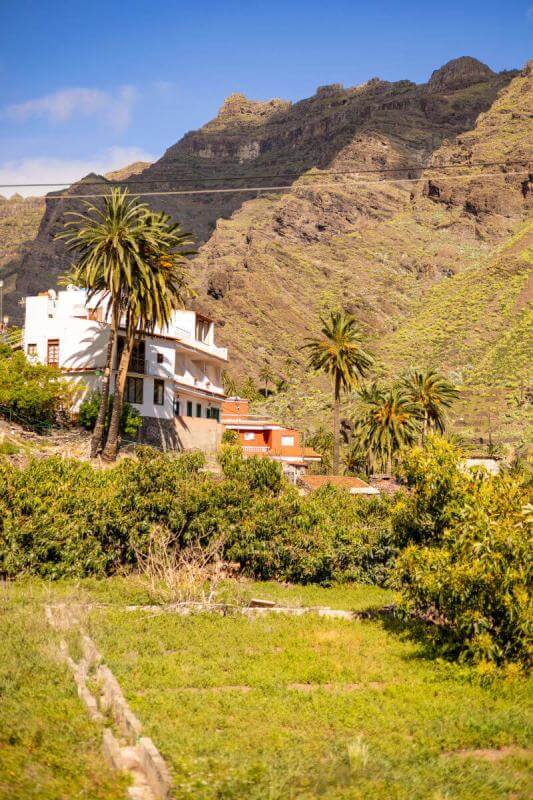
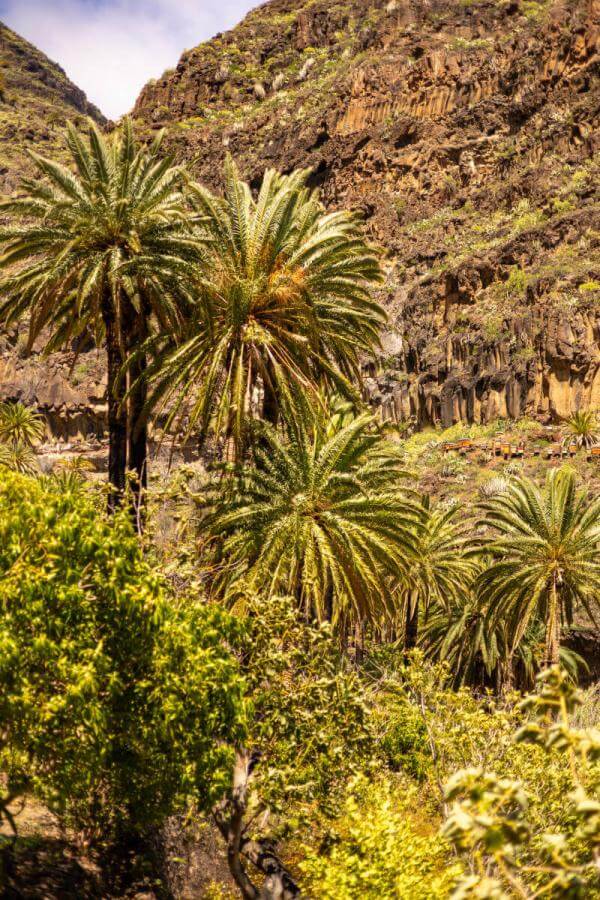
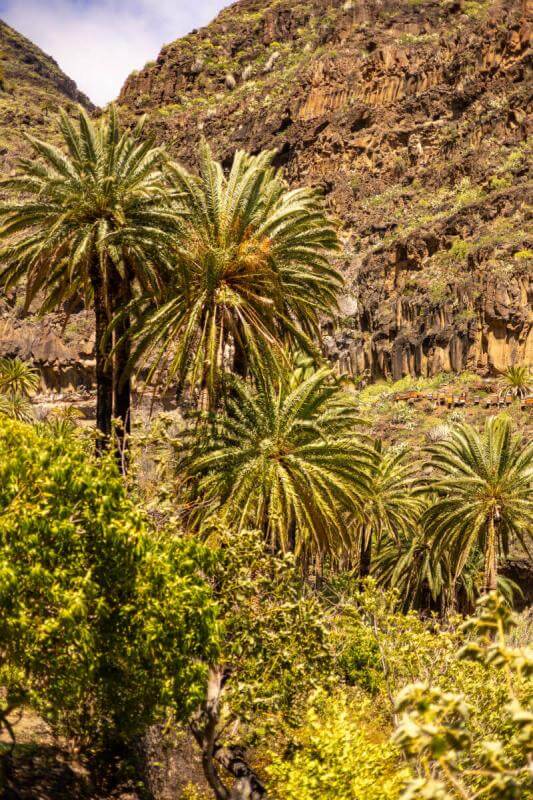
This linear route descends from the misty forests of Epina to the coastal enclave of Alojera, before climbing again towards Arure, crossing some of the most rugged and authentic landscapes of north-western La Gomera. It is a route of great beauty and contrast, moving from humid laurel forest to sunlit palm groves and cultivated slopes. The trail begins at the Chorros de Epina, a spring steeped in symbolism where Gomera tradition blends spirituality and nature. According to popular belief, drinking from the springs in a specific order reveals aspects of destiny, love or fortune. This point marks the start of a gradual descent towards the sea. As the route descends, the landscape changes rapidly: fayal-brezal woodland gives way to thermophilic shrubland, abandoned agricultural terraces and Canary Island palm trees. Arrival in Alojera, one of the most isolated and authentic villages on La Gomera, reveals a sunny valley with traditional architecture, palm honey and a calm pace of life deeply rooted in tradition. From Alojera, the route climbs again along ancient mule tracks towards Arure, passing steep slopes, dry-stone walls and small terraces. This final section, although demanding, rewards hikers with spectacular views of the Atlantic Ocean and the island’s ridgeline. The trail ends in Arure, where it is possible to connect with other routes or enjoy the village’s rural gastronomy. This trail is ideal for those seeking a complete experience of traditional La Gomera, with its climatic contrasts, cultivated landscapes and deep connection between mountain, culture and sea.

Estimated time
2 h 55 m
Difficulty
Medium

TENERIFE

TENERIFE

GRAN CANARIA

GRAN CANARIA

FUERTEVENTURA

FUERTEVENTURA

LANZAROTE

LANZAROTE

LA GRACIOSA

LA GRACIOSA

LA GOMERA

LA GOMERA

LA PALMA

LA PALMA

EL HIERRO

EL HIERRO
Map of Chorros de Epina - Arure
Sustainability
Sostenibilidad
  • Never leave waste of any type lying around, including cigarette butts. Leftover food leads to a proliferation of rats and wild cats, which pose a serious threat to the fauna.
  • Respect the animals. Do not bother them or feed them. If you see an injured specimen, you can call the emergency number: 112. Do not pick flowers or plants.
  • Do not pick up or take away stones or any other item from the natural environment. And do not move them to pile them up into sadly famous 'towers'.
  • Respect the signposting along trails. Leaving the set paths causes damage to the environment and could also be dangerous for you and anyone with you.
  • It is safer to keep your pet on a lead.
  • Try not to alter the peace of the environment with excessive noise (loud music, yelling, etc.).
6
54784
13
262
10045