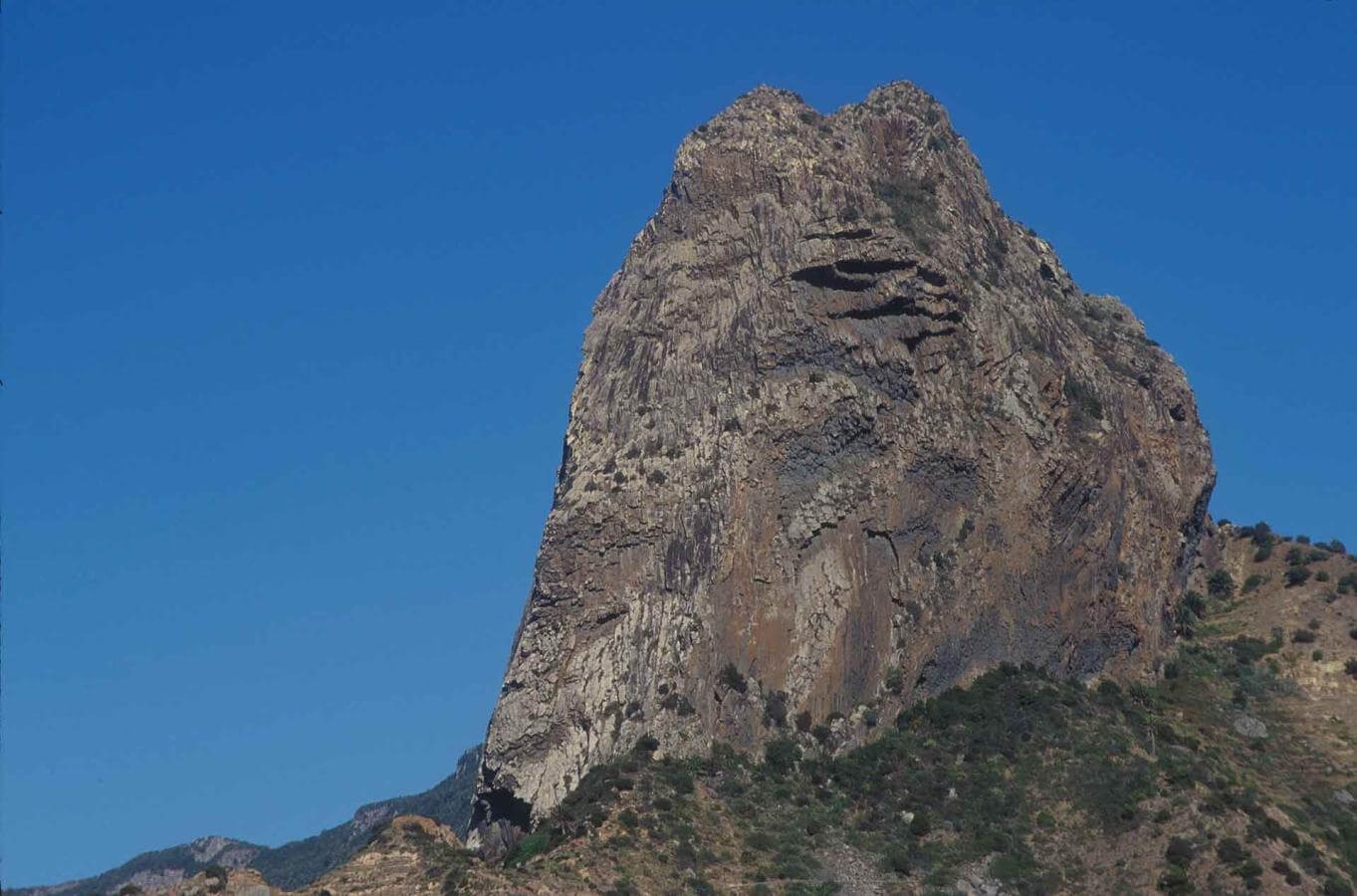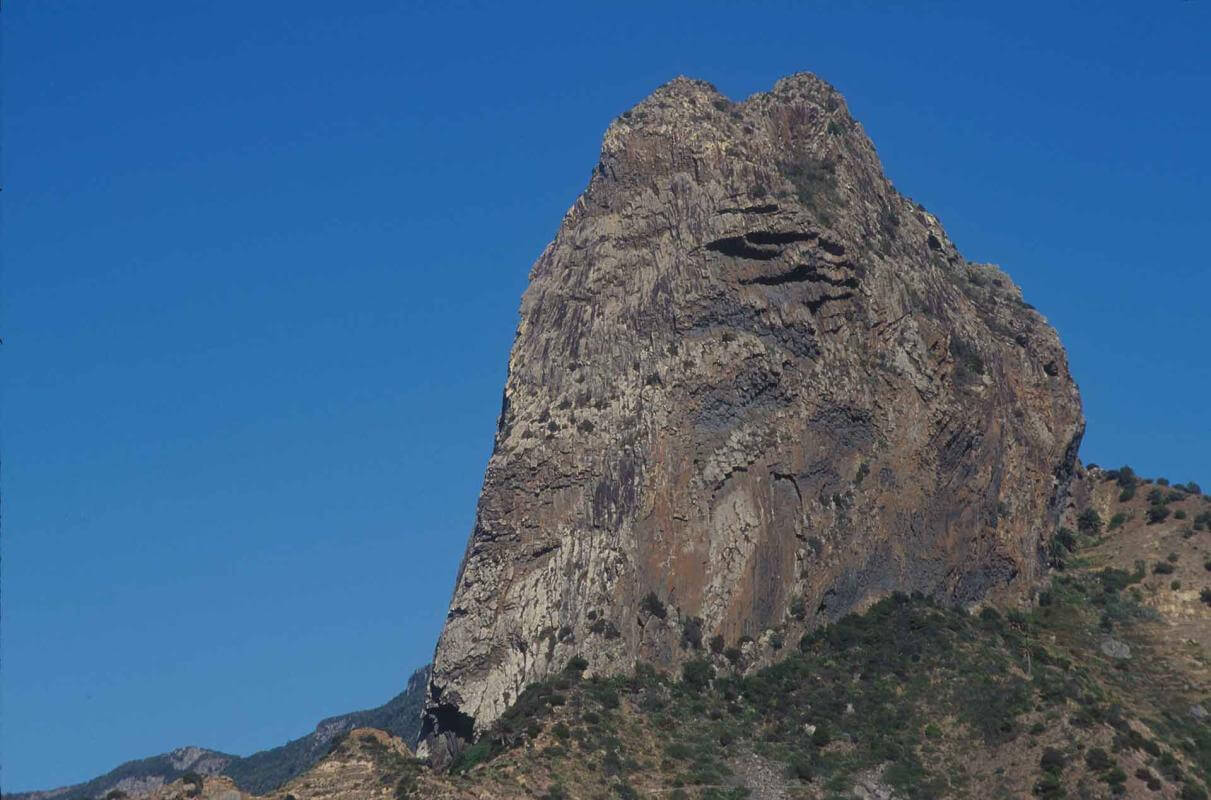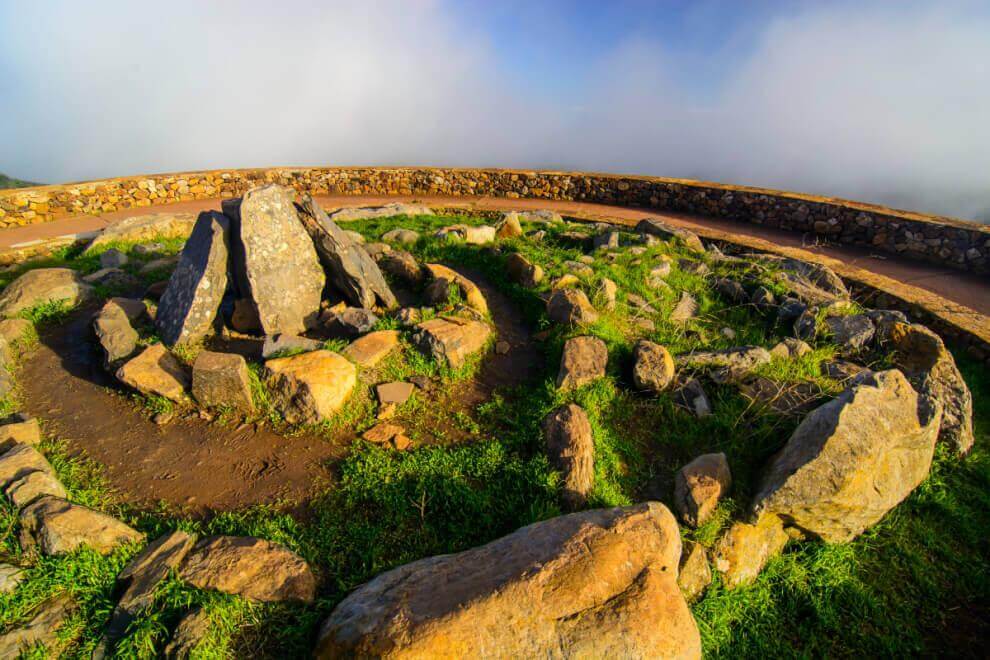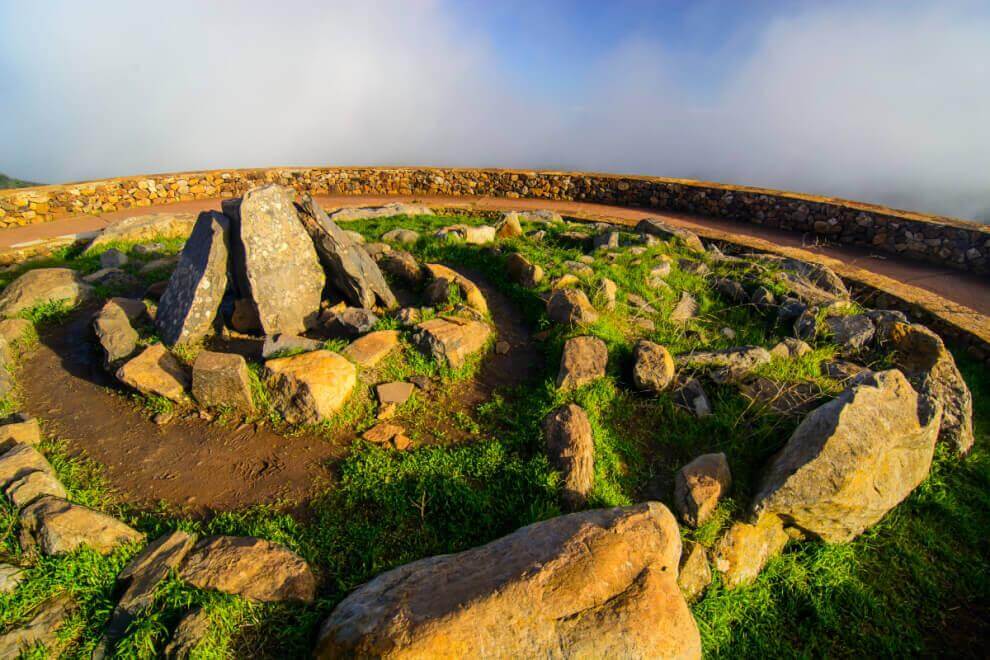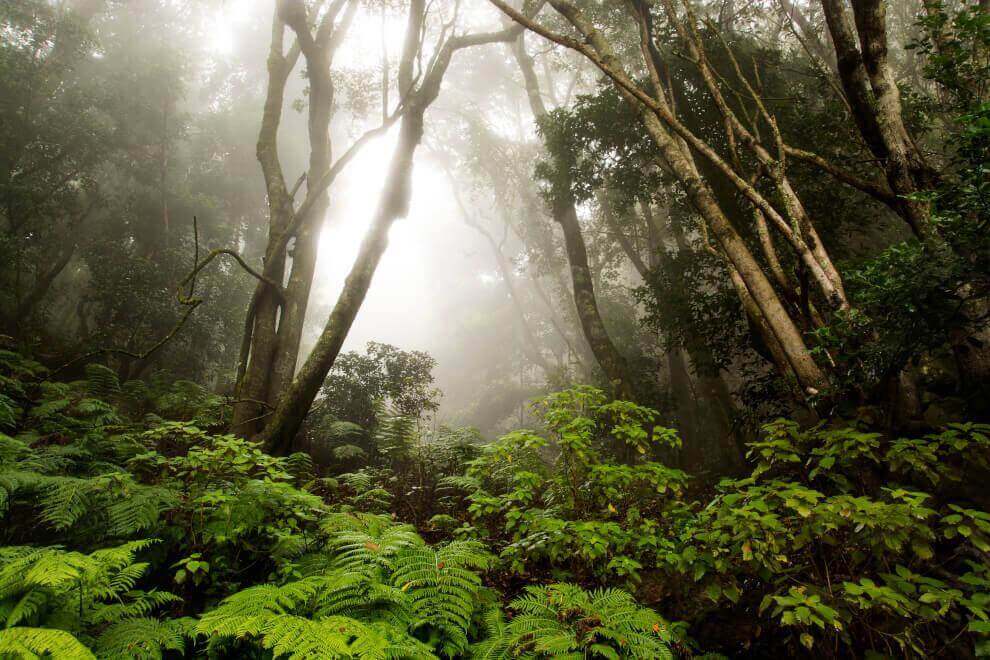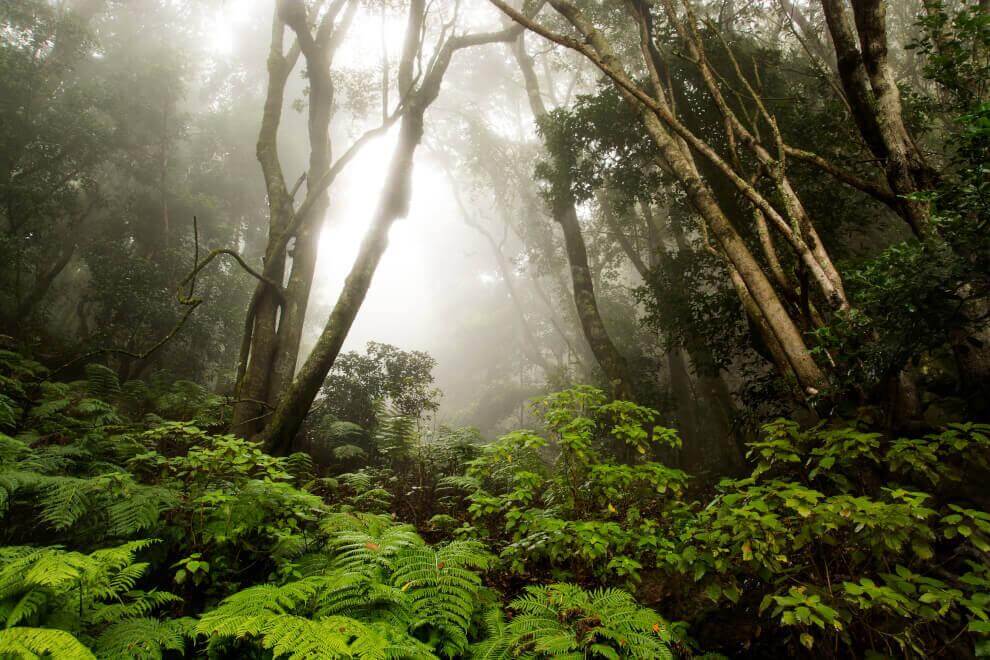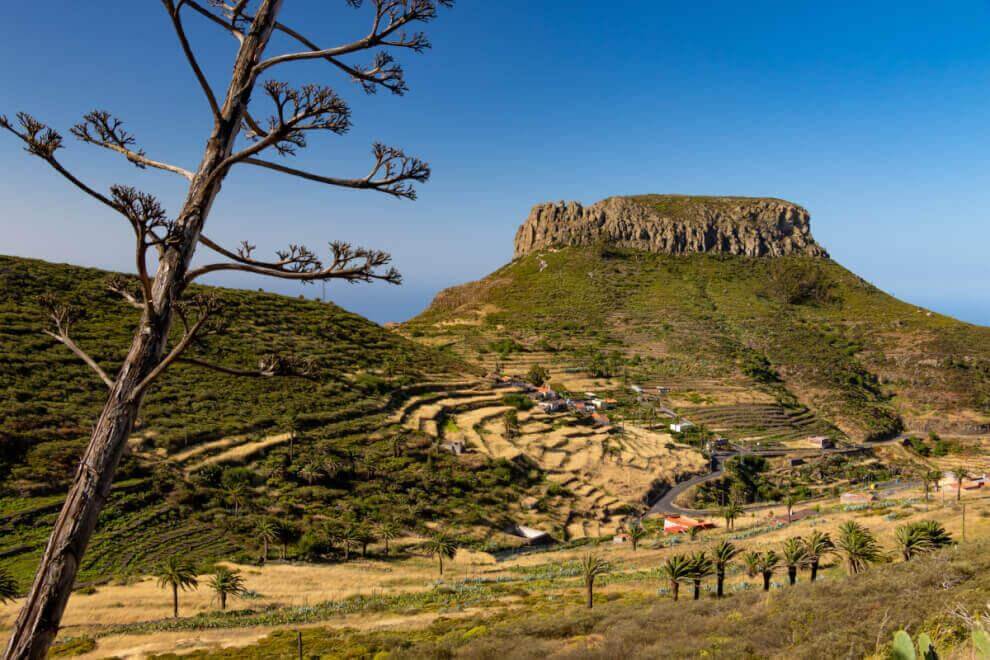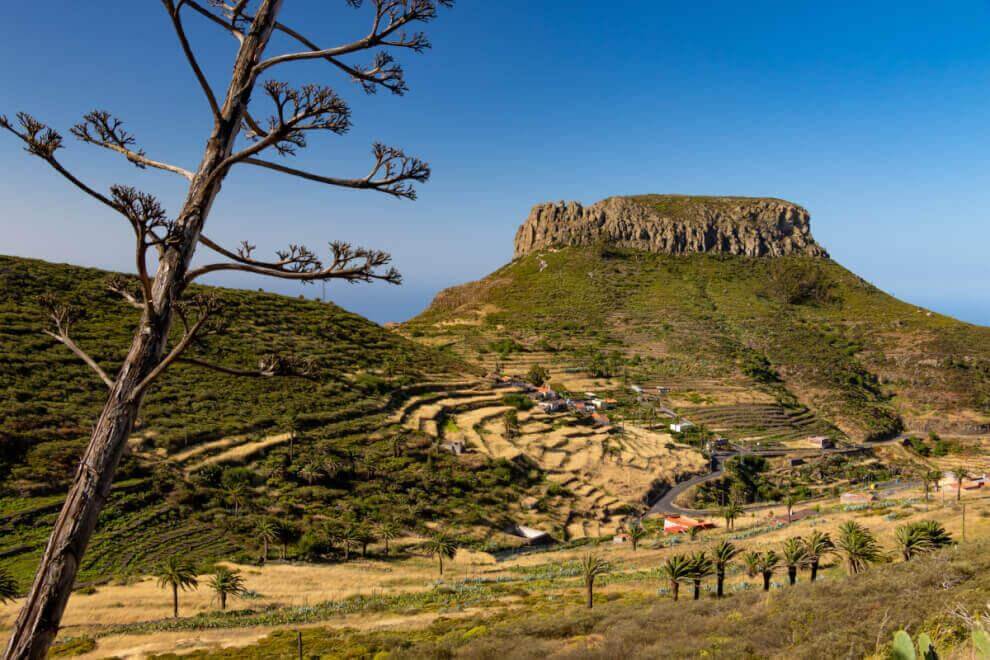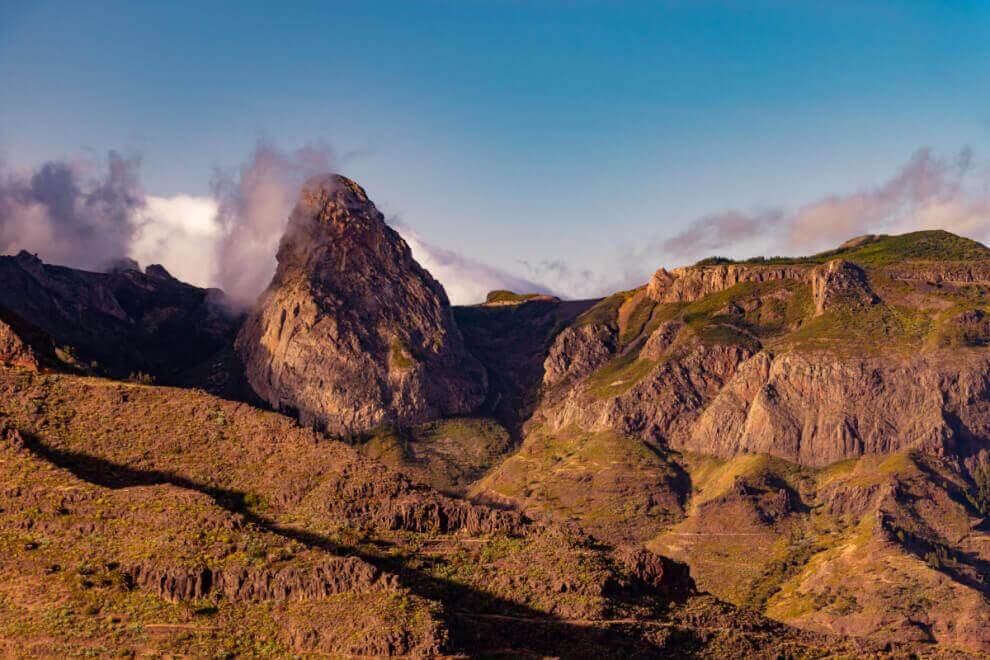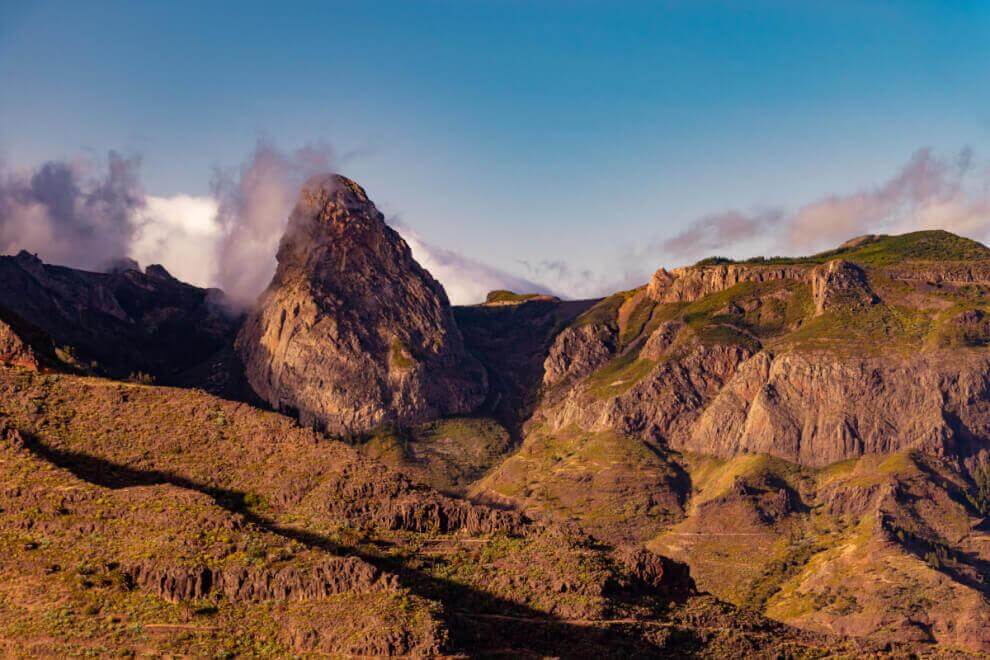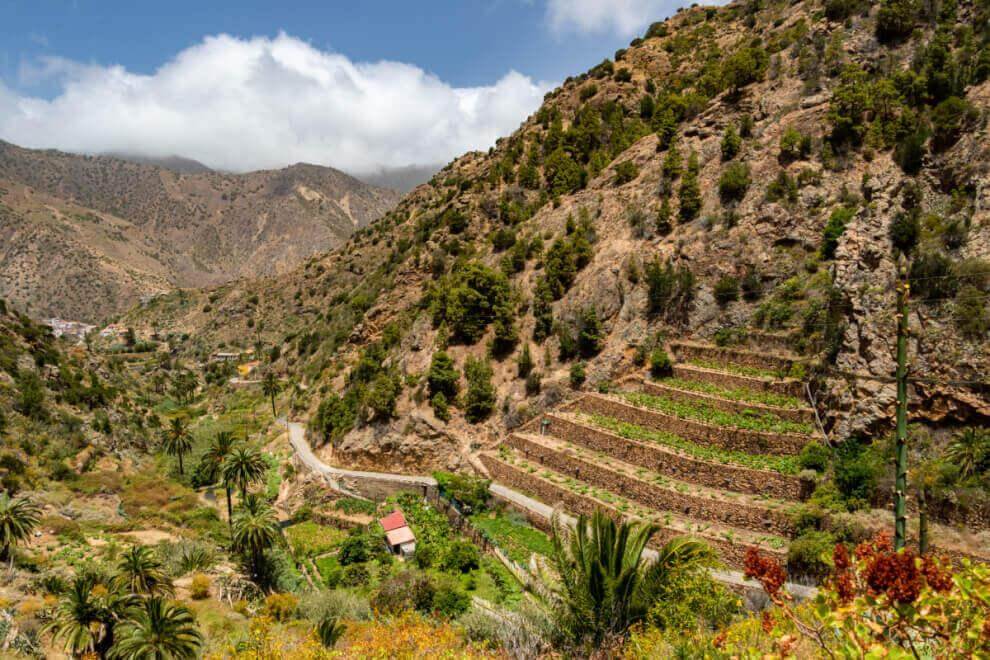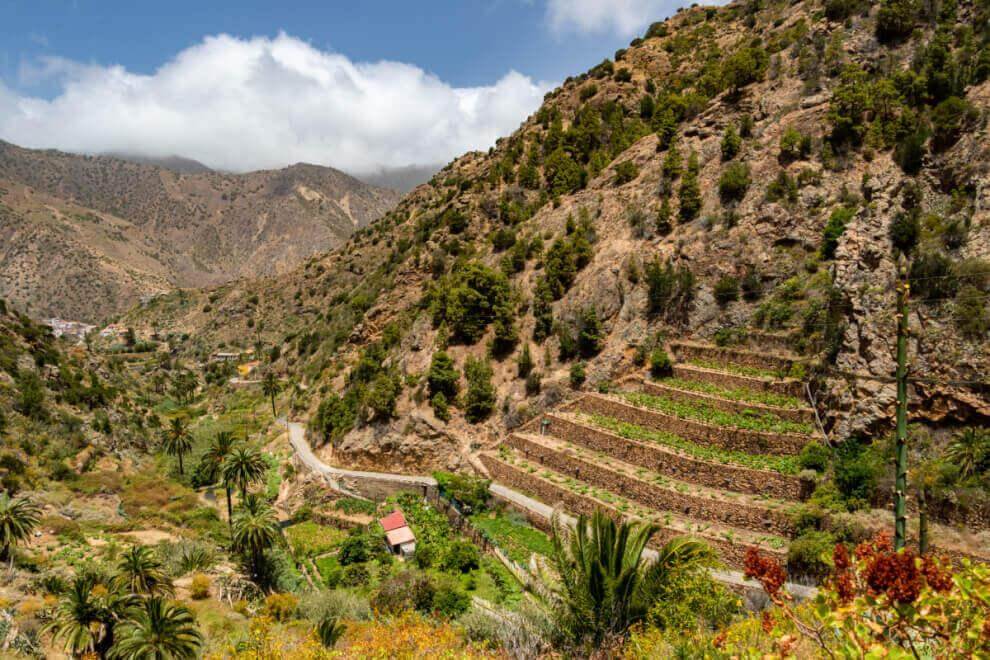



The GR 131 crosses La Gomera along the island’s central ridge and represents one of its most complete and demanding long-distance routes. Over several stages, the trail reveals the island’s scenic, ecological, and cultural essence, linking summits, valleys, and traditional settlements in a true mountain traverse. The route follows a landscape deeply carved by ravines, creating an intense hiking experience with continuous ascents and descents that require good physical preparation. In its central section, it reaches Alto de Garajonay (1,487 m), the island’s highest point and the summit of the National Park, offering sweeping panoramic views across La Gomera and, on clear days, toward neighbouring islands of the archipelago. One of the great highlights of the GR 131 is the succession of striking volcanic formations that punctuate the landscape. Monumental volcanic plugs and domes such as Fortaleza de Chipude, Roque Agando, and Roque Cano rise prominently, shaping the island’s visual identity and reflecting its complex volcanic history. Environmental diversity is another defining feature of the trail. It passes through ancient laurel forests, ecological relics of outstanding value, as well as extensive areas of regenerating fayal–brezal woodland. At lower elevations, formations of cardonal-tabaibal, groves of Canary Island palm, and areas of Canary Island juniper woodland appear, forming a rich vegetal mosaic shaped by altitude, orientation, and the influence of the trade winds. Beyond its natural heritage, the route connects places of significant historical and ethnographic interest. Along the way, hikers encounter rural settlements where agricultural terraces, traditional architecture, and local cultural expressions reflect the close relationship between communities and a rugged yet fertile landscape. The island’s capital, San Sebastián de La Gomera, as well as villages such as Vallehermoso, Chipude, and El Cercado, form part of this itinerary that blends nature with collective memory. The GR 131 in La Gomera is more than a mountain trail—it is a comprehensive journey through the island’s identity. Each stage combines grand panoramas, ecological contrasts, and cultural landmarks, creating a profound and lasting experience for those who seek to understand the island through its landscapes.