



Cultural Tourism. The Flavours of Alajeró.
La Gomera
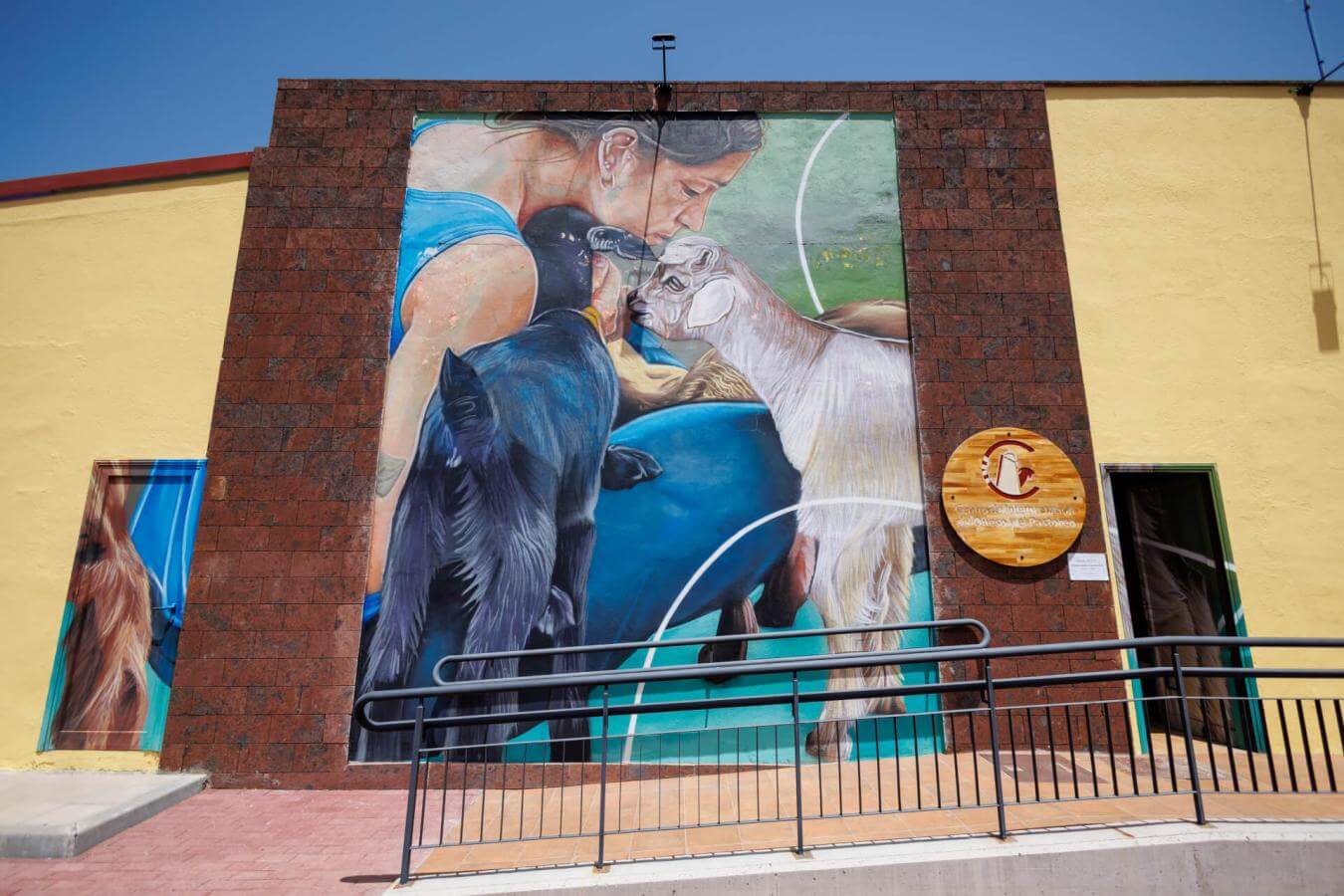
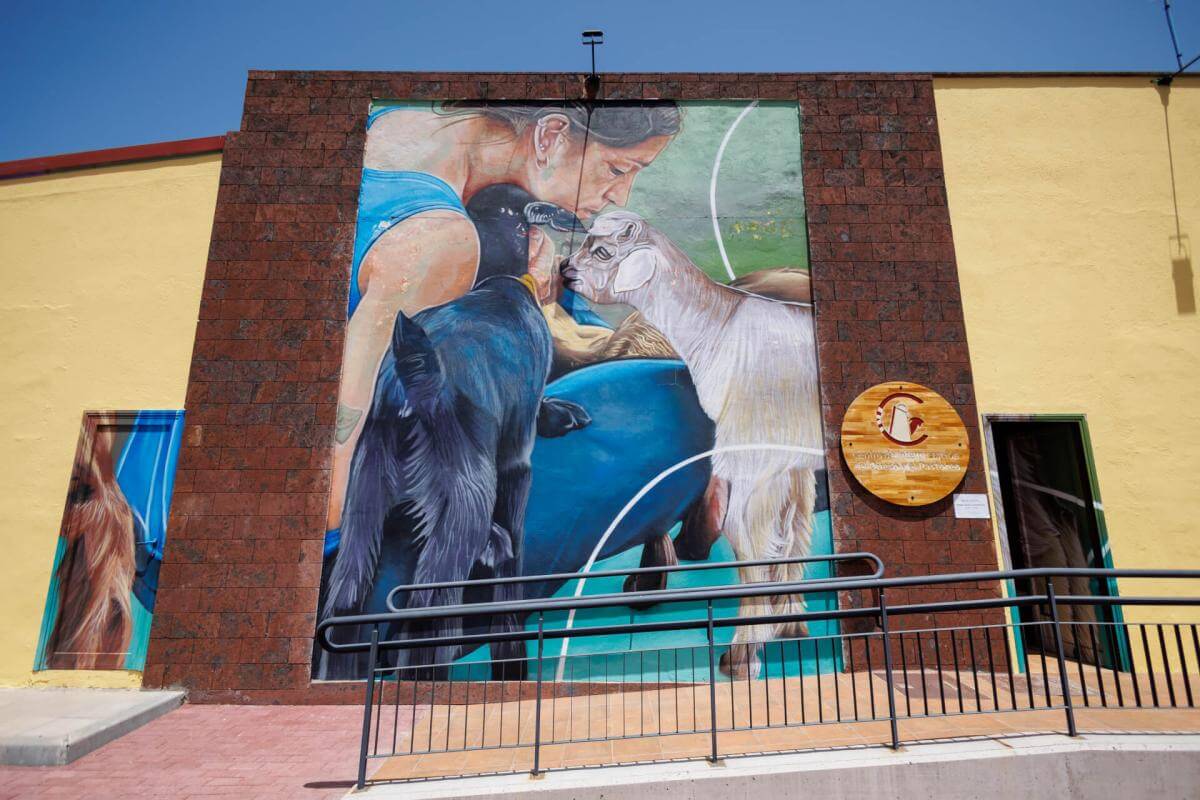
Distance from Point A to Point B: First stage / Cheese and Pastoralism Interpretation Centre, 0.6 km
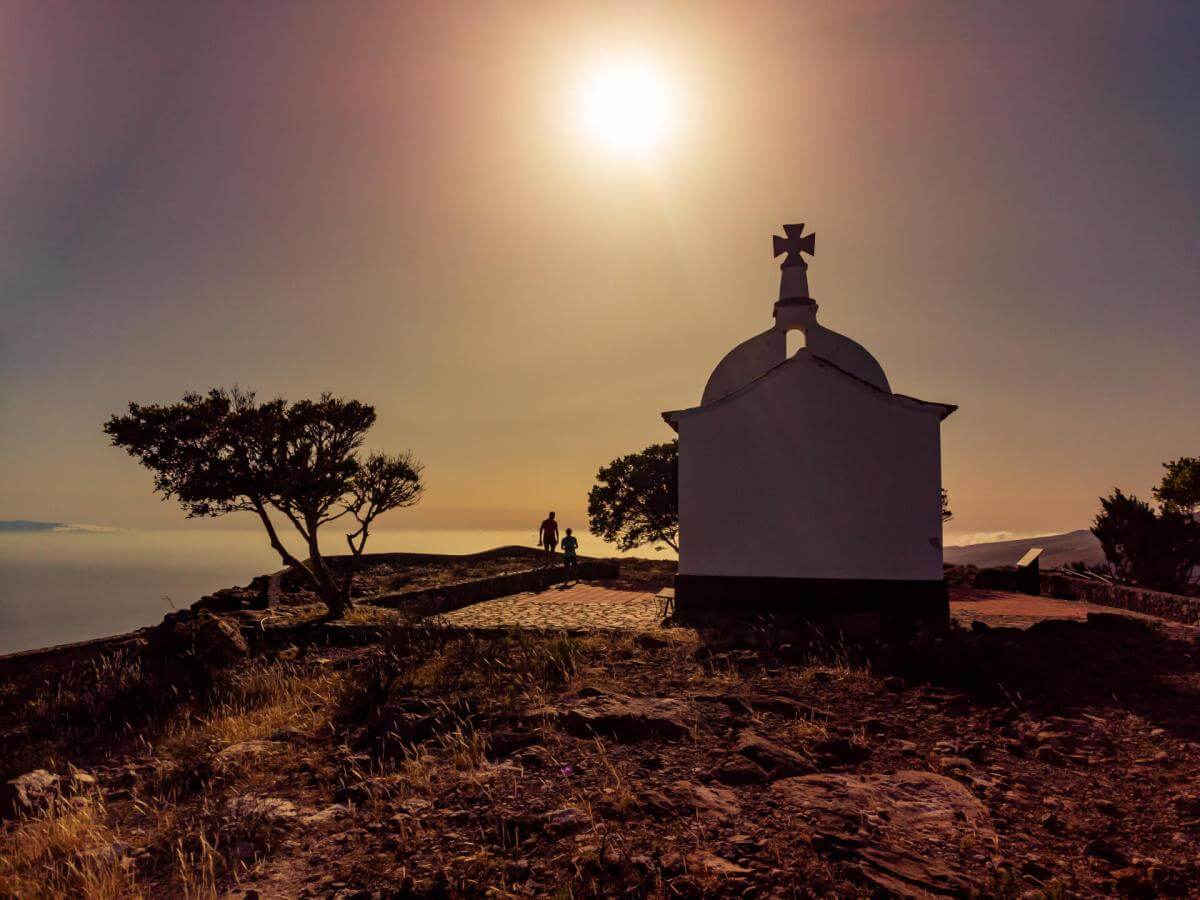
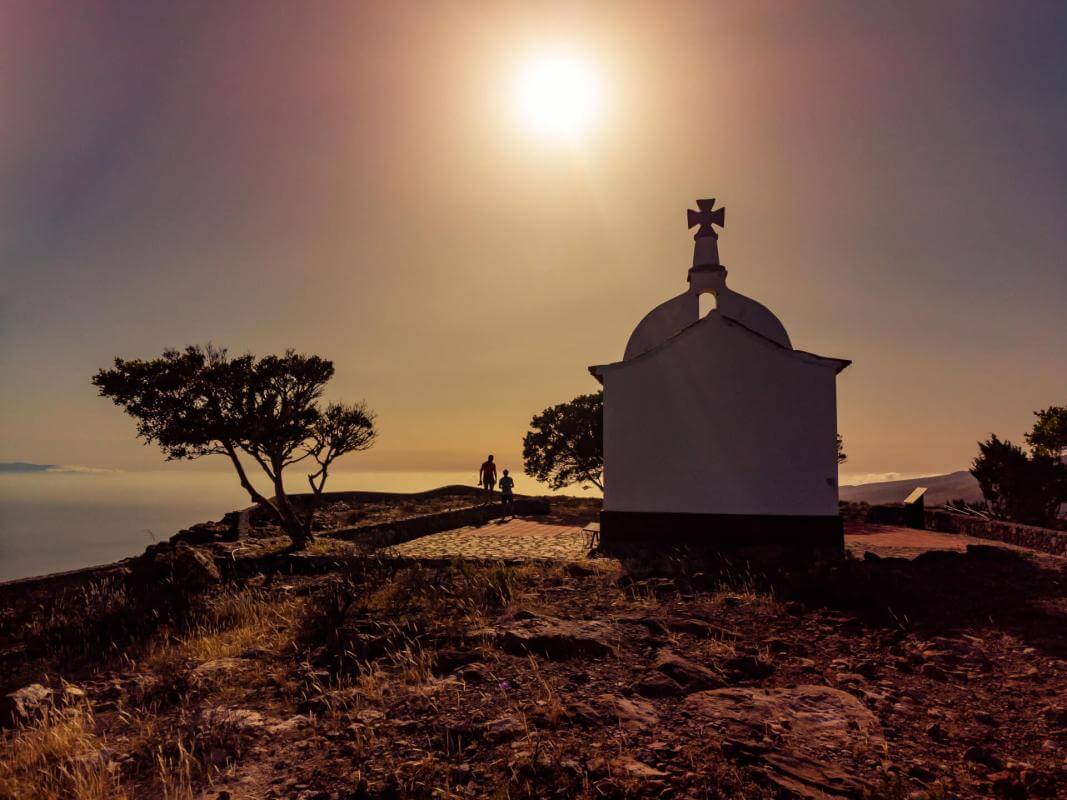
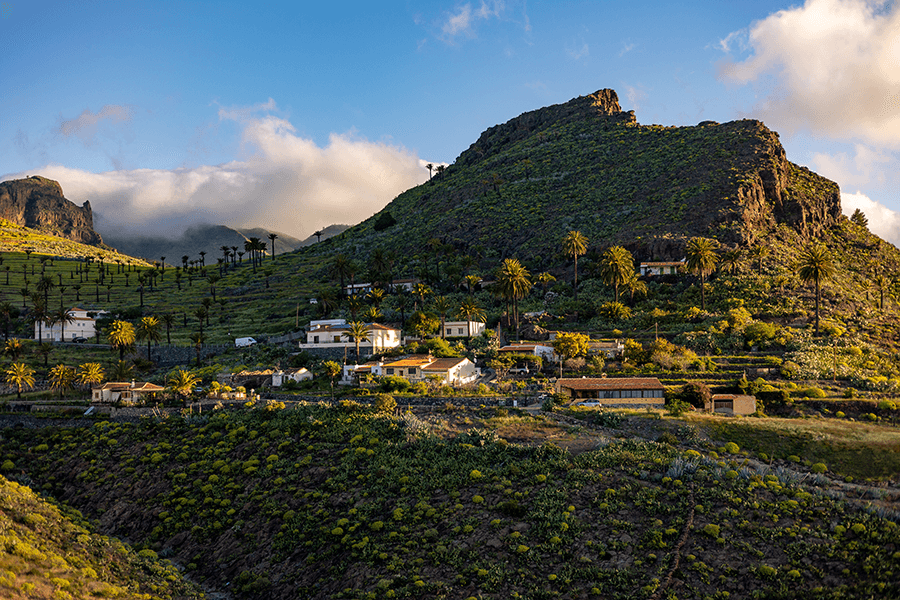
The route begins at the Mirador de Alajeró, located in the upper part of the historic centre — an ideal place to get oriented among the hills and palm groves of the municipality. From here, visitors can grasp Alajeró’s agricultural and pastoral tradition, and start the path toward the local flavours and products that define its identity.
Distance from Point B to Point C: Second stage / Vinos Niray, 1.6 km
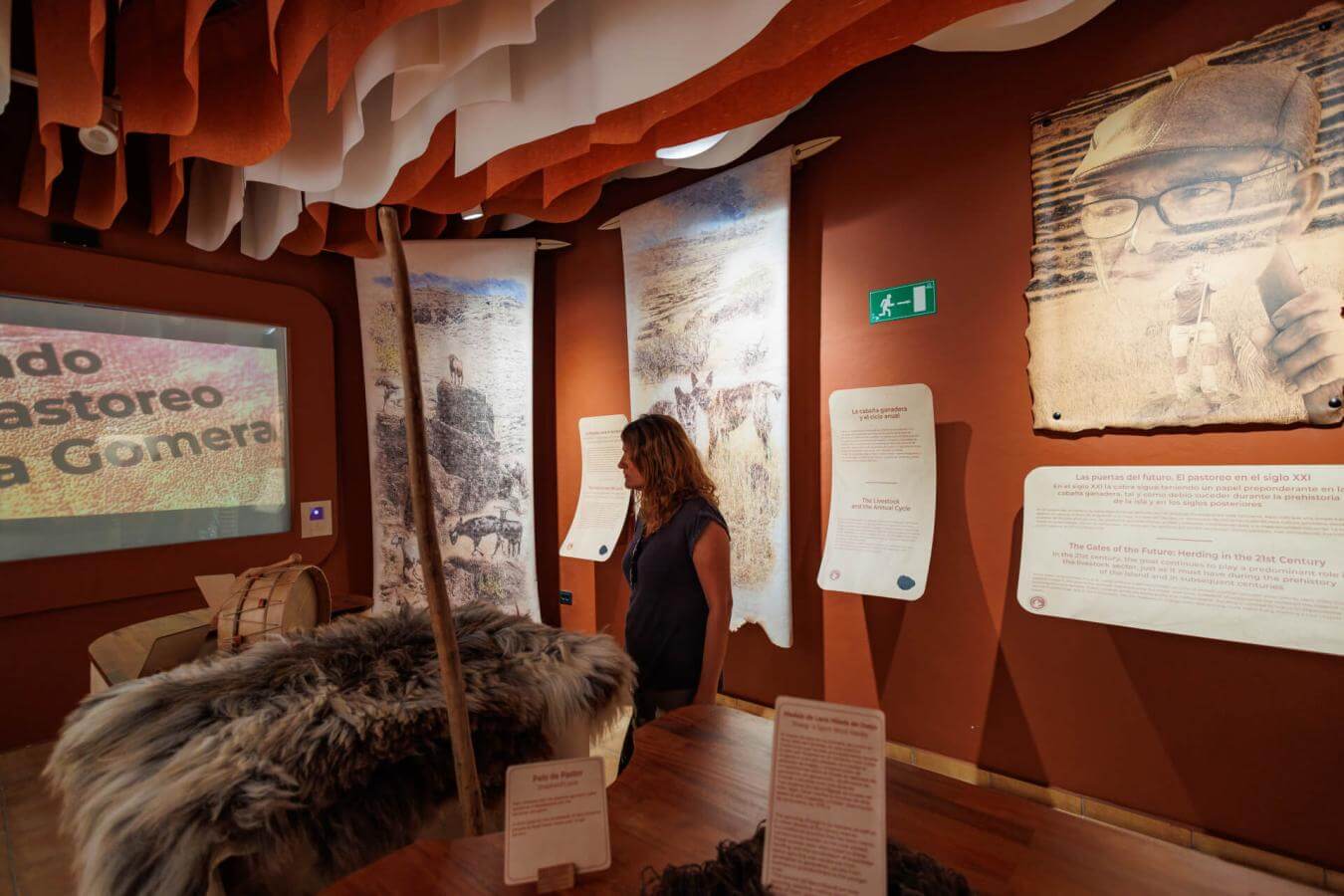
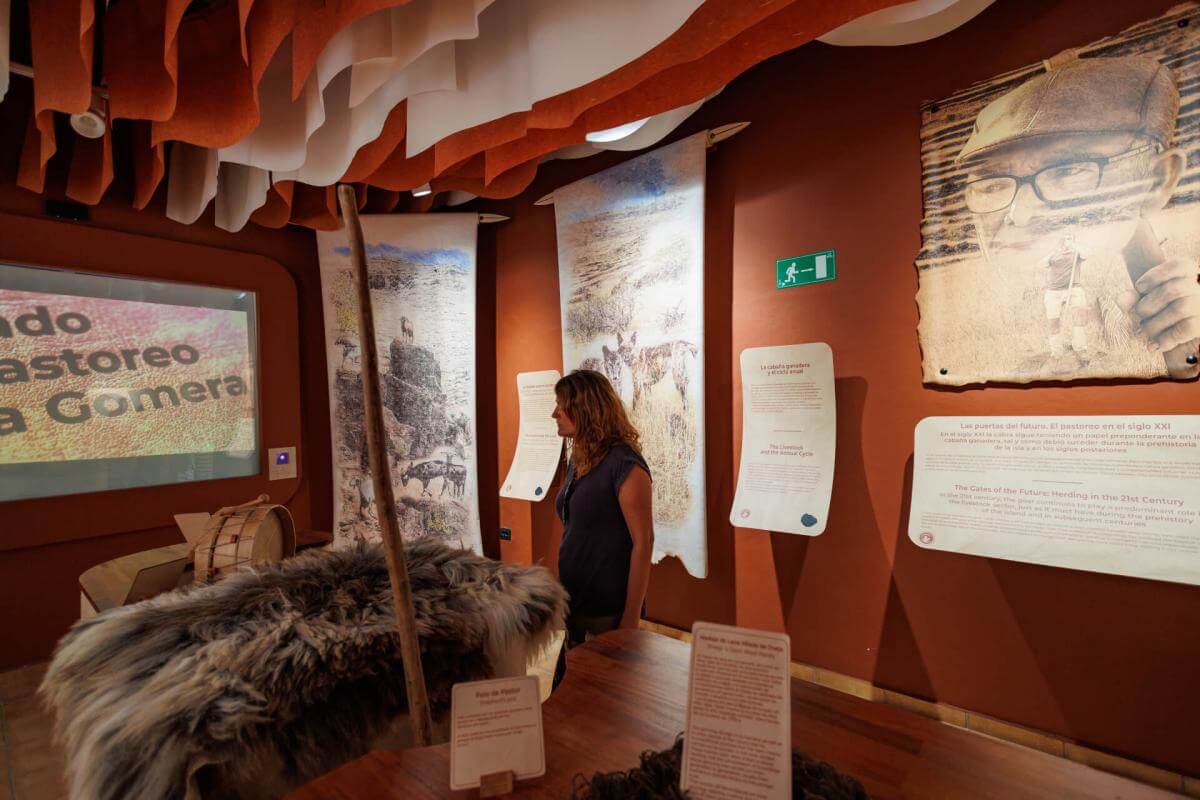
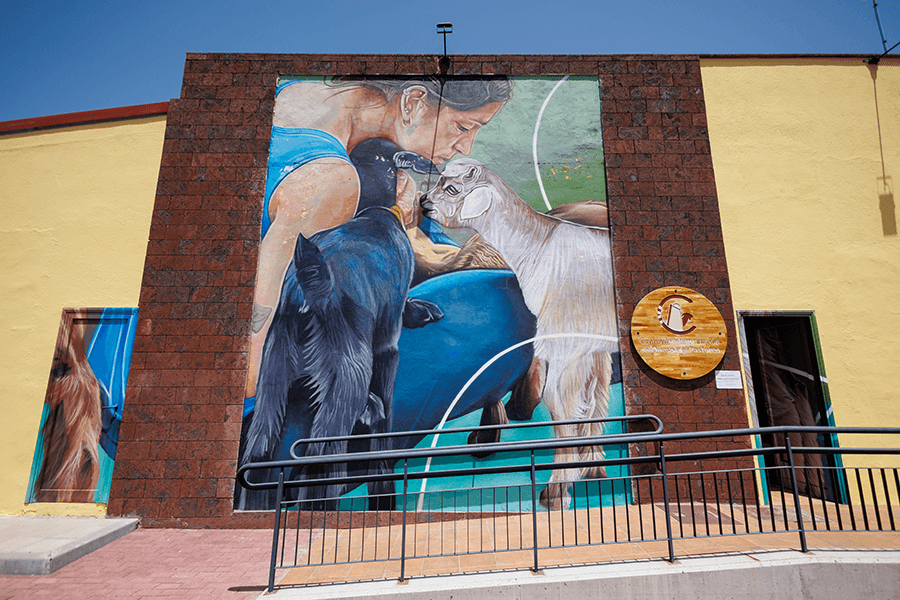
A key second stop for discovering the livestock heritage of the municipality. The centre offers an immersive exhibition on traditional goat and sheep herding, with stories, workshops and tastings that reveal how Gomero cheese is made. It serves as a gateway to the rural culture that has sustained Alajeró for centuries.
Distance from Point C to Point D: Third stage / Eras de Alajeró, 0.1 km
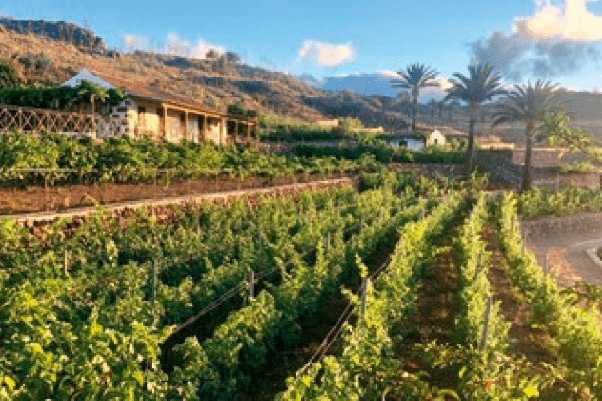
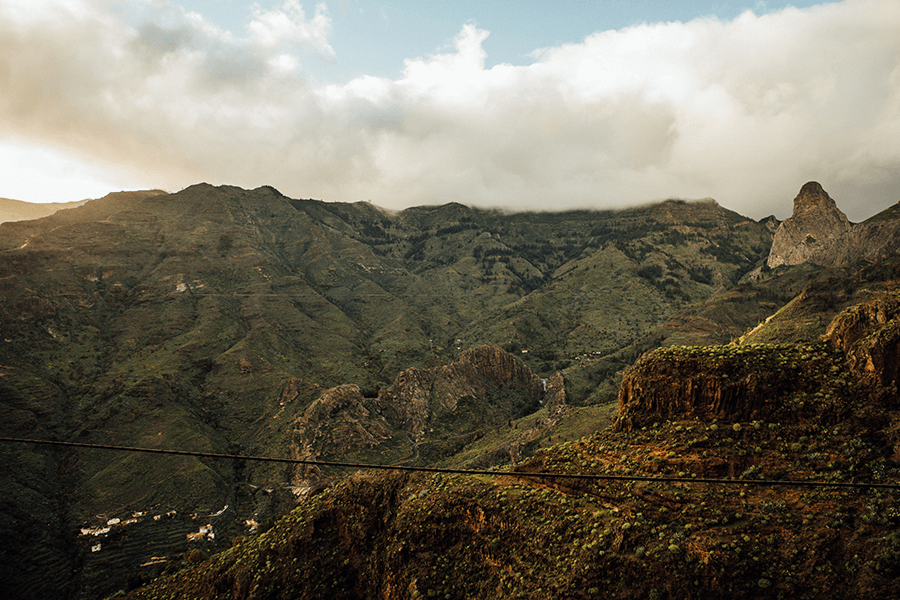
After leaving the town centre, the path runs between dry terraces, palm trees and prickly pears until it reaches the Vinos Niray winery, guardian of the native Forastera Gomera grape variety. Here, visitors can enjoy fresh, mineral wines shaped by the volcanic soil, along with privileged views towards Targa and Montaña de Tagaragunche. A stop that blends landscape and flavour.
Distance from Point D to Point E: Fourth stage / Targa, 0.4 km
The Eras de Alajeró showcase the traditional agricultural infrastructure where cereals were threshed — a key element of La Gomera’s economy until the mid-20th century. This spot helps visitors understand how local communities used the wind and the terrain to process grain. A stop that connects travellers with the rural life of past generations.
Distance from Point E to Point F: Fifth stage / Beekeeping Farm, 0.6 km
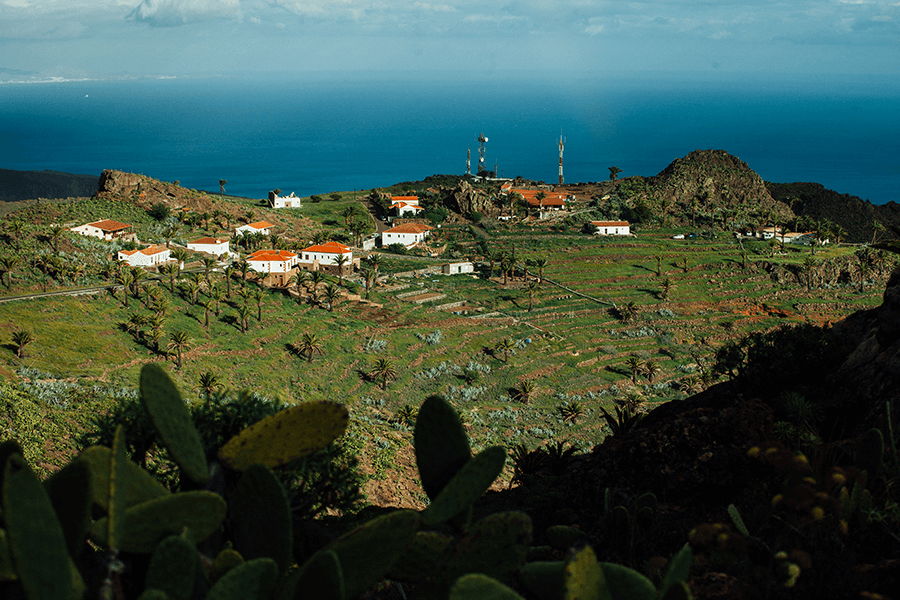
The hamlet of Targa appears among hills and ravines, surrounded by old terraced fields that reflect Alajeró’s grain-growing and pastoral past. It is a perfect example of the intelligent use of the land in an arid environment and of the historical adaptation of its inhabitants.
Distance from Point F to Point G: Sixth stage / Antoncojo, 2.1 km
The Canary black bee, present in the archipelago for around 200,000 years, is a unique breed thanks to its adaptation to the environment, its gentle nature and the exceptional quality of its honey. In Targa, the route includes a visit to the Jirdan organic beekeeping farm, where visitors can learn first-hand about this centuries-old tradition. Next to the farm lies a butterfly oasis, a space that hosts numerous species of lepidoptera. The visit explains their relationship with local plants and their essential role in the ecosystem, making this stop a meeting point with La Gomera’s living biodiversity.
Distance from Point G to Point H: Seventh stage / La Roseta, 1.9 km
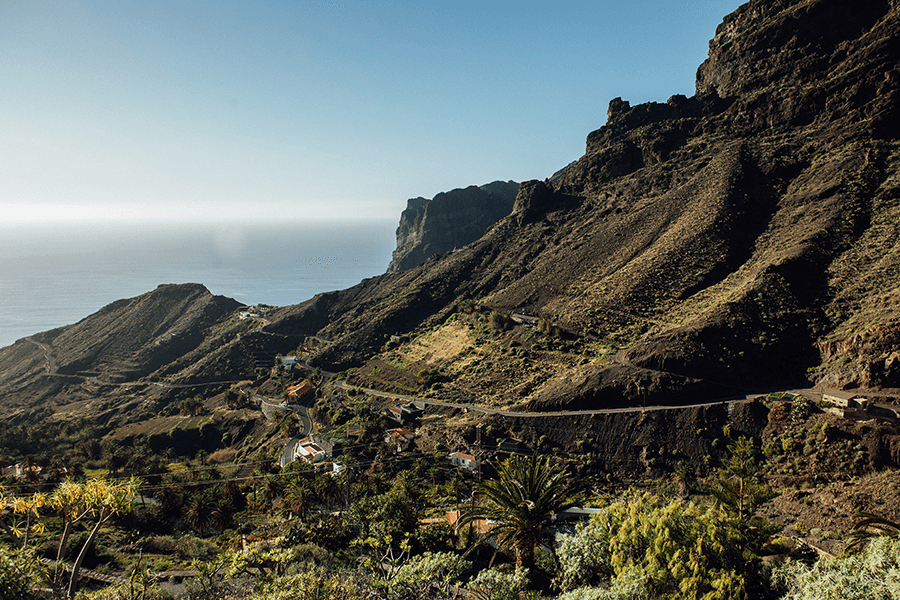
Antoncojo stands out for its location between ridges and ravines. Its name, possibly of Indigenous origin, and its landscape of palm groves and terraced fields reflect the effort required to cultivate in a harsh and dry environment. From this point begins the transition toward an area shaped by old dams and traditional hydraulic systems.
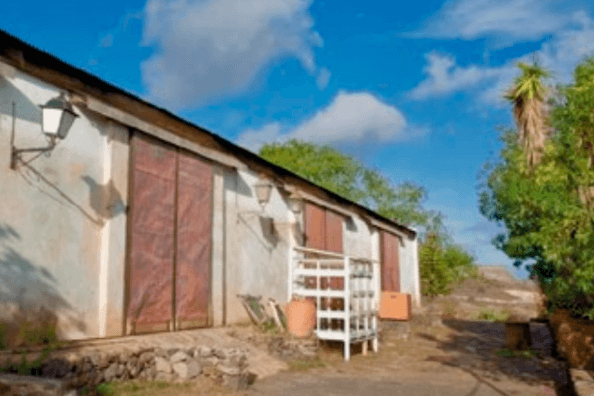
The route ends at La Roseta, a former agricultural building now converted into the only coffee drying and roasting facility in La Gomera. Here, visitors learn about the history of coffee on the island and can taste one of the municipality’s most distinctive products. It is the perfect conclusion to an experience that blends landscape, tradition and flavour.
- Never leave waste of any type lying around, including cigarette butts. Leftover food leads to a proliferation of rats and wild cats, which pose a serious threat to the fauna.
- Respect the animals. Do not bother them or feed them. If you see an injured specimen, you can call the emergency number: 112. Do not pick flowers or plants.
- Do not pick up or take away stones or any other item from the natural environment. And do not move them to pile them up into sadly famous 'towers'.
- Respect the signposting along trails. Leaving the set paths causes damage to the environment and could also be dangerous for you and anyone with you.
- It is safer to keep your pet on a lead.
- Try not to alter the peace of the environment with excessive noise (loud music, yelling, etc.).